Le mot japonais haïga n’a pas d’équivalent en français, pas plus que le mot haïku. Ce ne sont pas les premiers mots étrangers à entrer dans la langue française. Algèbre venu de l’arabe al-jabr, pantalon de la Comedia dell’arte, albatros du portugais, blues du noir américain sont français depuis longtemps.
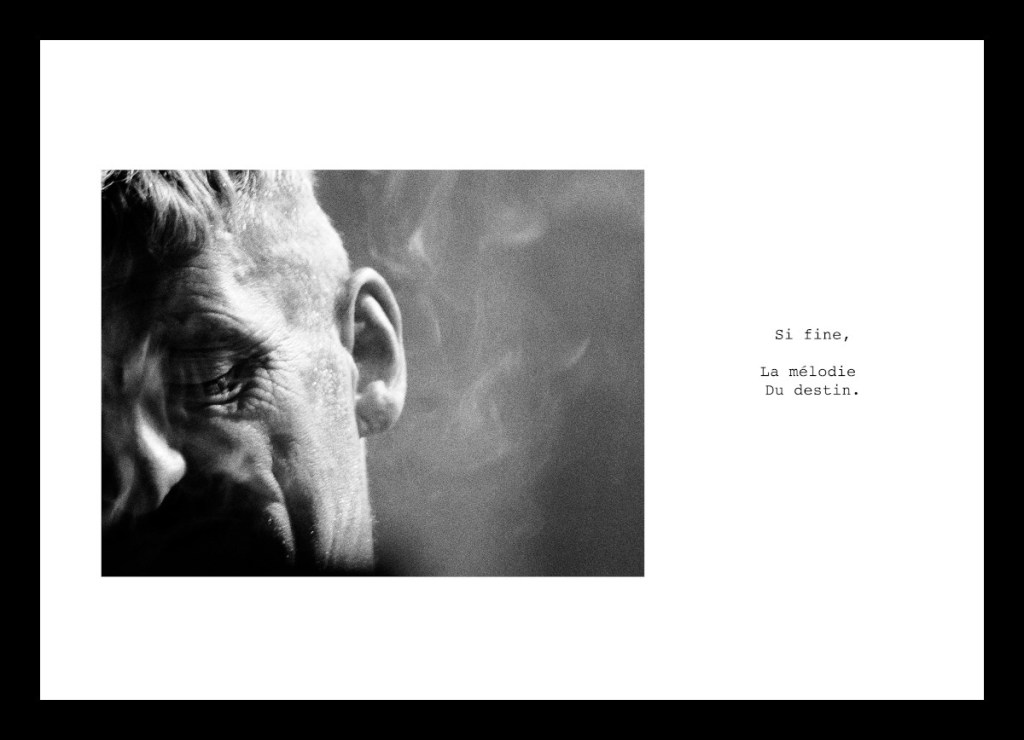
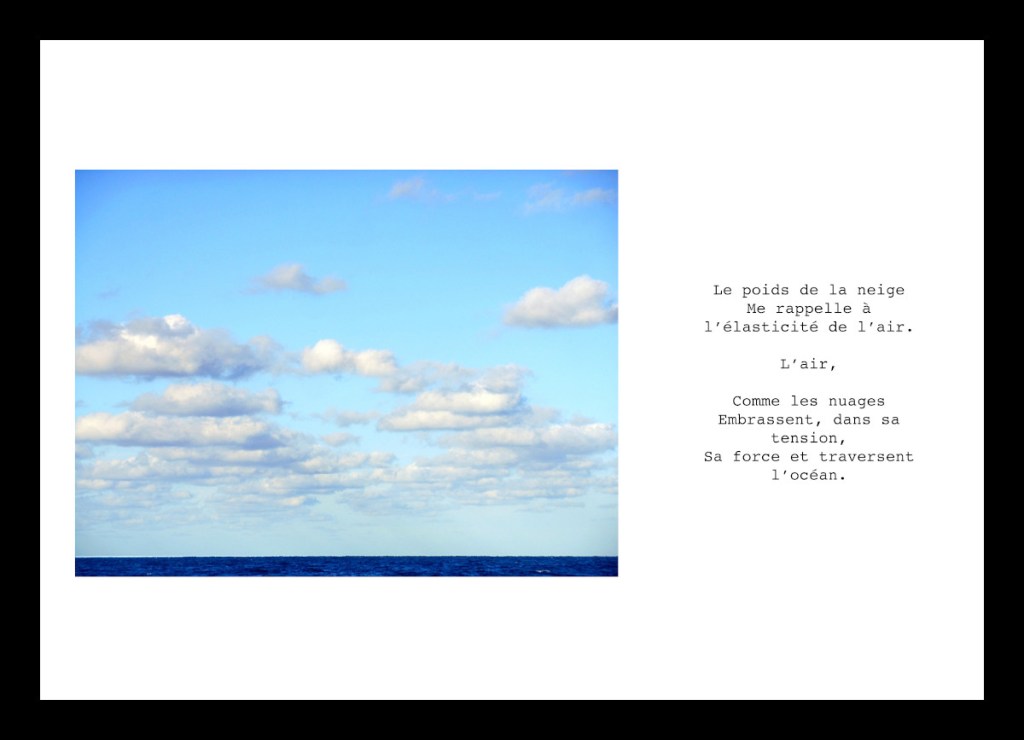
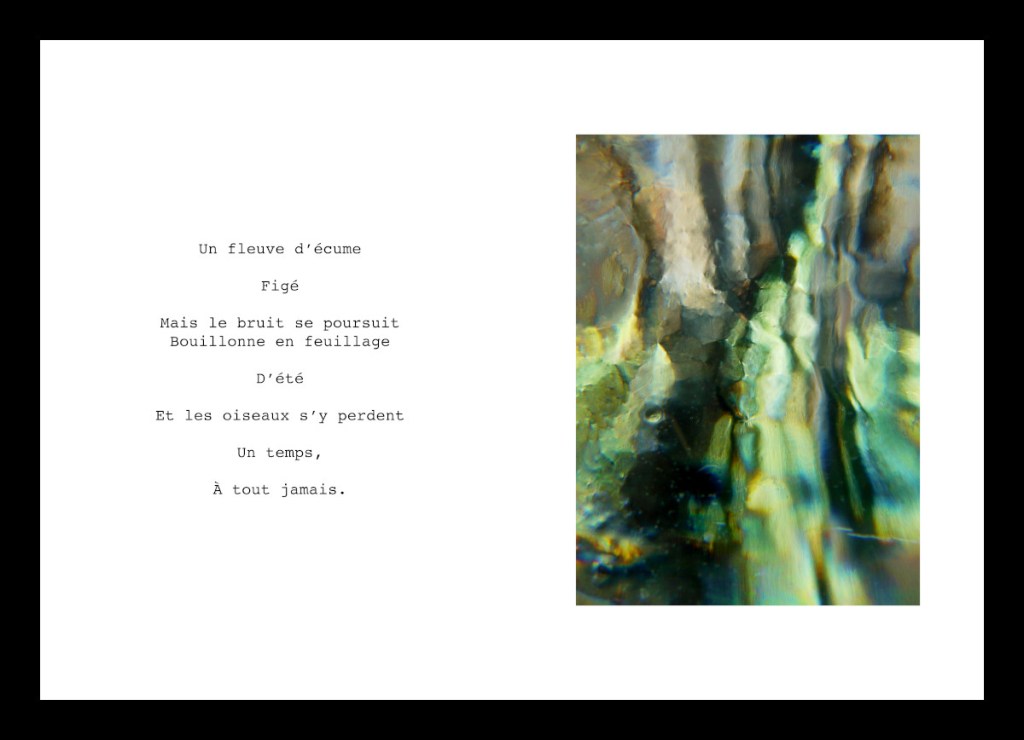
Haïga désigne un travail d’art qui met en page un haïku et un dessin ou une photographie; Cette rencontre est courante dans l’art occidental ou l’artiste vient illustrer, « colorer » un texte ou, à l’inverse, le texte apporte du sens à la création artistique.
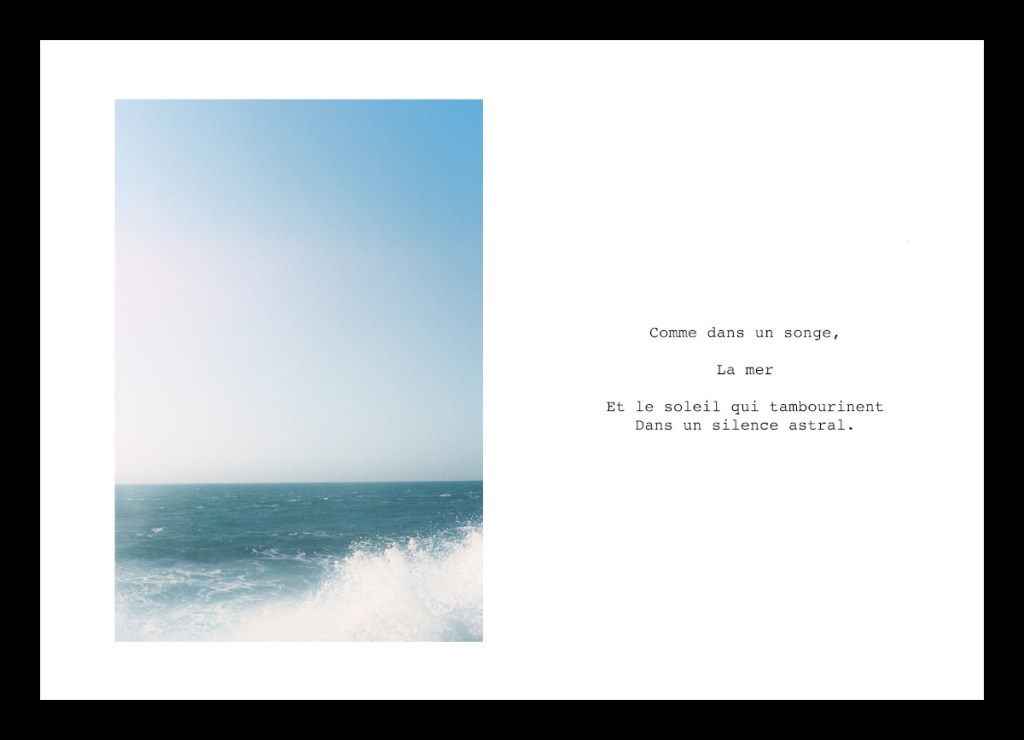
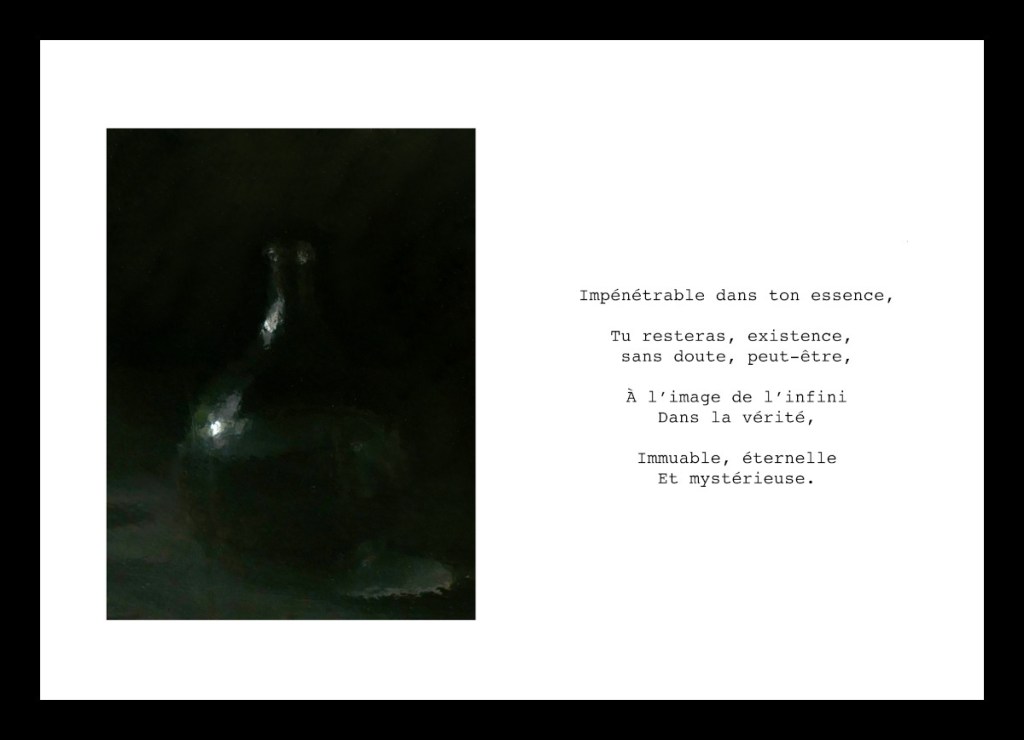
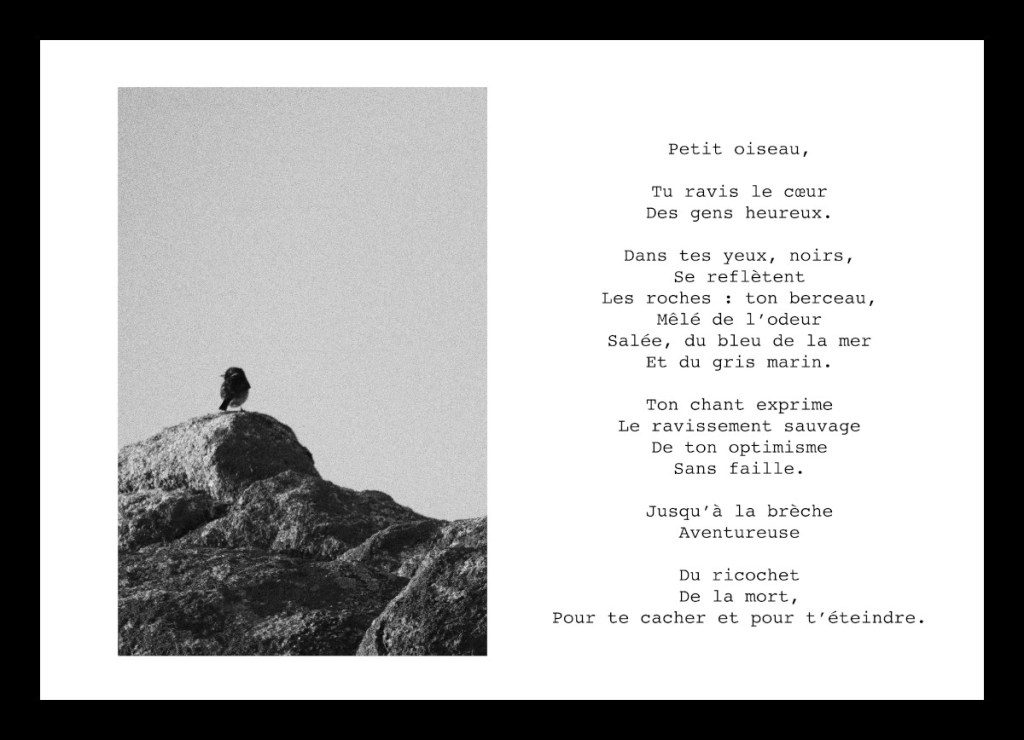
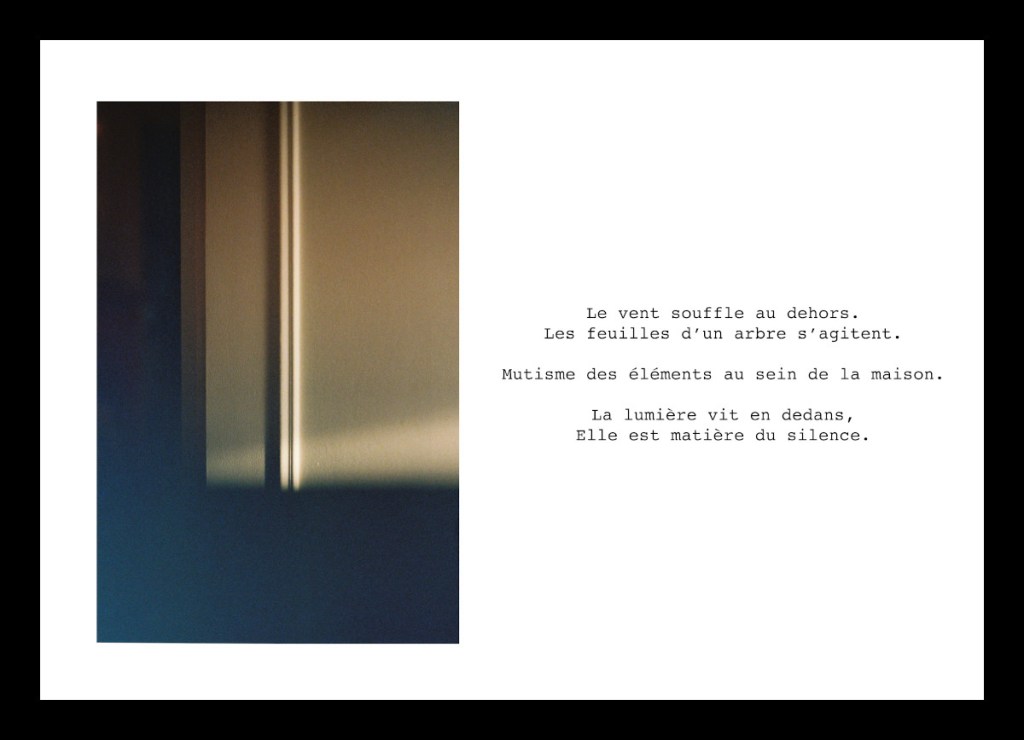
Je propose ici des haïga où courts textes en prose et images photographiques dialoguent et tentent d’entrer en résonance.
(en)
The Japanese word haiga has no true equivalent in French, just as haiku does not. They are far from the first foreign words to enter the French language: algebra comes from the Arabic al-jabr, pants from the Commedia dell’arte, albatross from Portuguese, and blues from African American culture—these words have long been part of French.
Haiga refers to an art form that combines a haiku with a drawing or a photograph. Such pairings are familiar in Western art, where an image may illustrate or “color” a text, or conversely, where the text enriches the visual creation.
Here, I present haiga in which short prose passages and photographic images converse, seeking to resonate with one another and evoke a subtle harmony between word and image.
 yveslebras.fr